
What Does an Aging in Place Home Assessment Include?
An aging-in-place assessment is a room-by-room walkthrough that identifies fall risks and accessibility barriers before they cause an injury — not a generic checklist, but a specific look at how your home works against the people living in it.
Ours covers five areas: entries and steps, bathroom safety, lighting, flooring transitions, and doorway widths. You leave with a prioritized, written report, starting with the changes that prevent the most common injuries for the least money. Main Street Contractors does this assessment free for Indianapolis-area homeowners, with no obligation to book any work afterward.
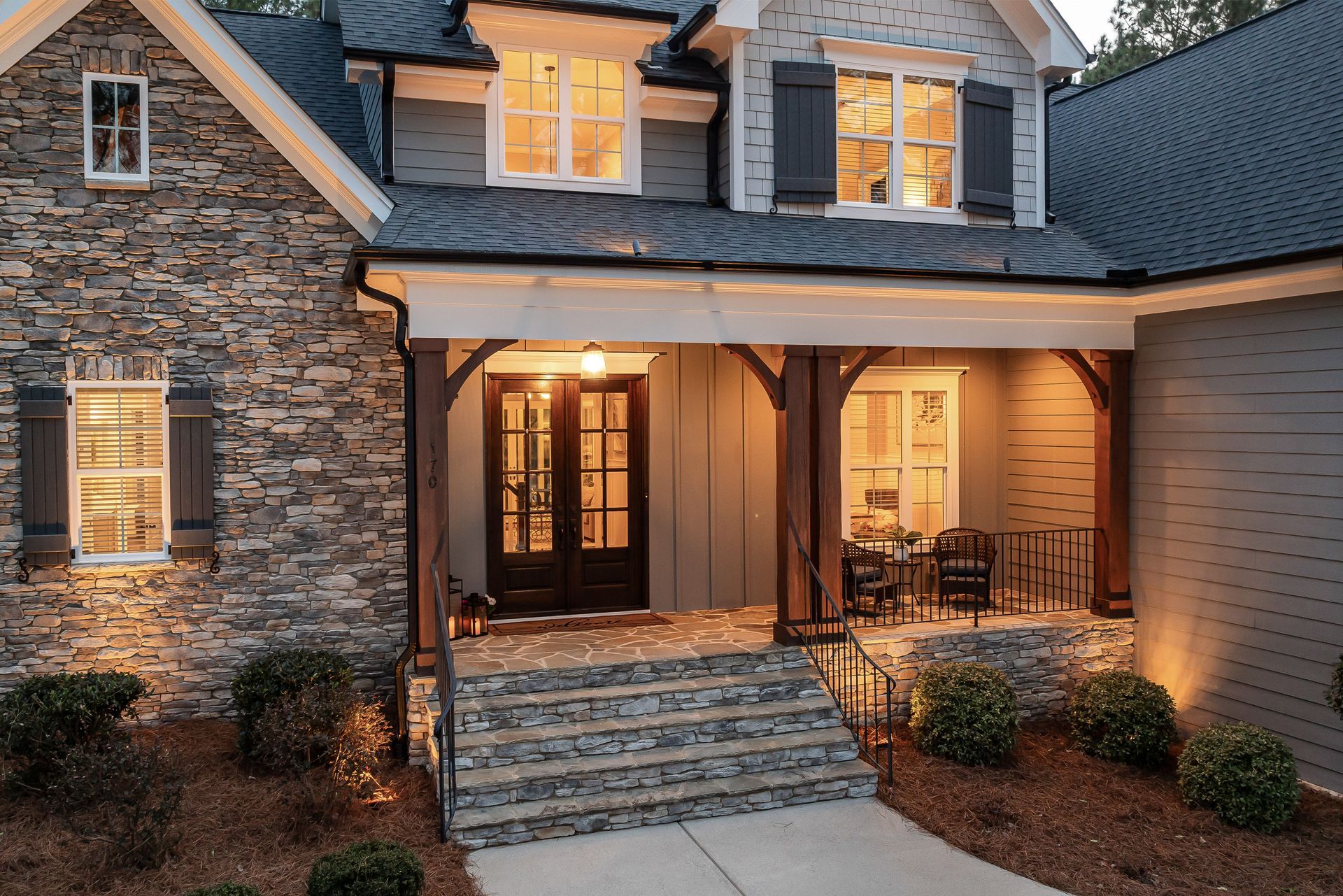
Entries and Steps
The front door is often the first fall risk in a home, and one of the easiest to miss because you walk past it every day. We check:
- Exterior step height and total step count
- Whether handrails are present, and on which side(s)
- Threshold height at every exterior entry door
- Porch and landing lighting, especially for evening arrivals
- Whether a ramp or zero-step entry is feasible given the home's existing grading and layout
Bathroom Safety
This is consistently the highest-priority area on our assessments, because most in-home falls happen in the bathroom. We check:
- Tub or shower step height
- Whether grab bar blocking exists behind the walls (or would need to be added)
- Toilet height relative to standard accessible guidelines
- Flooring slip resistance when wet
- Turning radius for a walker or wheelchair
Because this area carries the most risk, it's usually the first fix we recommend — see our comparison of
walk-in shower conversions versus full bathroom remodels to understand which fits your situation.
Doorway Widths
A hallway that looks fine on foot can be unusable with a walker or wheelchair. We check:
- Clear opening width at bedroom, bathroom, and closet doors — 32 inches clear is the general minimum for most walkers and wheelchairs
- Door swing direction and whether it blocks maneuvering space
- Whether offset hinges could solve a tight doorway without full-wall demolition
Lighting
Poor lighting turns a minor trip hazard into a fall. We check:
- Light levels in hallways and stairways
- Switch placement — specifically, whether a room can be lit without crossing it in the dark first
- Night-light coverage along the bedroom-to-bathroom path
- Opportunities for motion-sensor lighting in high-traffic areas
Flooring Transitions
Small changes in floor height cause a disproportionate number of falls. We check:
- Threshold height at transitions between rooms
- Rug edges and whether rugs have non-skid backing
- Transition strips between different flooring types
- Any uneven, damaged, or lifted flooring that creates a trip hazard
What You Get After the Assessment
You'll receive a written report ranking every issue we found, prioritized by safety impact first and budget second — so if you can only address one thing right now, you'll know which one matters most. Alongside the report, we provide itemized pricing for anything you'd like to move forward on. There's no pressure and no obligation to book work on the spot; many homeowners use the report to plan a phased project over months or years.
Serving Indianapolis, Carmel, Fishers, Zionsville & Surrounding Areas
Main Street Contractors is a service-area business, which means we come to you. We serve homeowners throughout Marion County and the greater Indianapolis metro, including:
- Indianapolis — all neighborhoods and zip codes
- Carmel, IN — including newer developments and established neighborhoods
- Fishers, IN — accessible bathroom and mobility projects
- Zionsville, IN — full aging-in-place assessments and modifications
- Westfield, Noblesville, Greenwood, and surrounding communities
If you're not sure whether we serve your area, give us a call — we'll let you know right away.
Frequently Asked Questions
How long does the assessment take?
Most in-home assessments take 45–60 minutes, depending on home size.
Do I have to commit to work afterward?
No — the assessment and written report are free with no obligation to book any project.
What's the most important modification for most homes?
For most homes it's the bathroom — that's where the majority of in-home falls happen, which is why it's usually the first area we recommend addressing.
Can you assess a home I'm buying or remodeling for a parent?
Yes — we regularly do assessments for adult children planning modifications for a parent's home, whether or not you live there yourself.
Is the assessment the same as a full home inspection?
No — a general home inspector checks structural and mechanical systems; our assessment is specifically focused on fall risks and accessibility barriers.
Find out exactly what your home needs — and what it doesn't. Book your free assessment today.
