
Home Restoration After Property Damage: What Happens Next?
When a home has been damaged by water, a storm, fire, or another unexpected event, the first priority is making the property safe and stopping additional damage.
After that, many homeowners are left with a different set of questions.
What needs to be repaired? What should be documented? How does the insurance process fit into the repair process? Who handles the actual reconstruction? And what happens when the initial emergency work is finished?
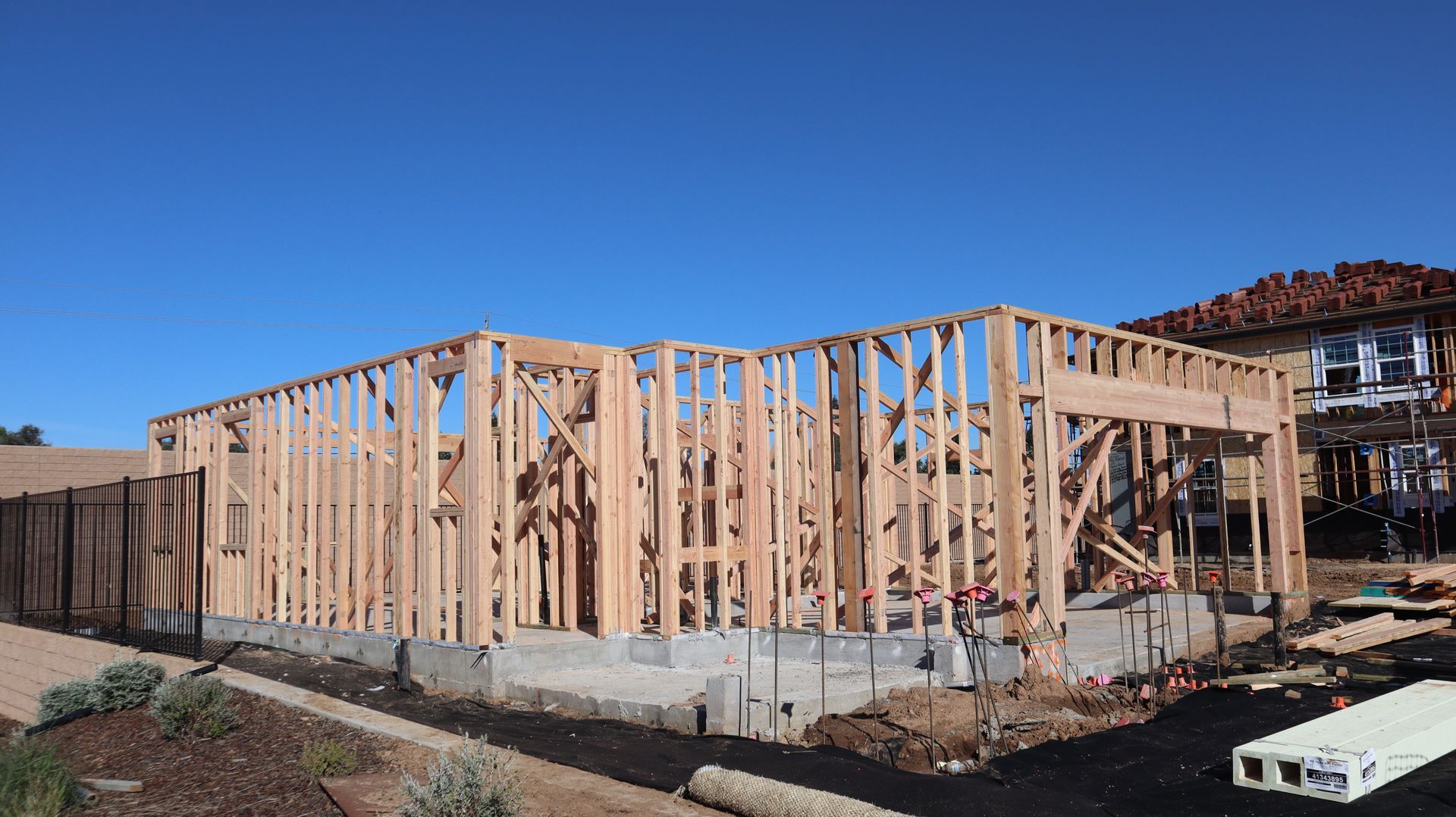
Home restoration is the process of bringing the property back to a safe, functional and finished condition. Depending on the type and extent of damage, that can involve documentation, estimating, insurance coordination, material removal and replacement, structural repairs, finish work and a final inspection of the completed project.
For Indianapolis homeowners, Main Street Contractors provides the repair and reconstruction side of that process, including insurance-related property repairs.
What Does Home Restoration Include?
Home restoration is not one specific type of construction project.
The work depends on what happened to the property and what was damaged.
A water-related loss may require replacement of drywall, flooring, trim, cabinetry or other building materials. Storm damage may involve roofing, exterior repairs or interior damage caused by water entering the property. A fire-related project may require much more extensive reconstruction.
The important thing is to look at the property as a whole rather than treating every damaged item as a separate repair.
The restoration process may include:
- Documenting visible damage
- Evaluating the affected areas
- Developing a repair scope
- Coordinating with an insurance adjuster when applicable
- Removing damaged building materials
- Repairing structural components
- Replacing flooring, drywall and other finishes
- Completing electrical, plumbing or mechanical work when required
- Repainting and finishing affected areas
- Completing a final walkthrough
Not every project requires every step. The appropriate scope depends on the condition of the property.
What Should You Do Immediately After Property Damage?
Before beginning permanent repairs, homeowners should focus on safety and documentation.
If there is an active water source, electrical hazard, structural concern or other immediate safety issue, address the hazard through the appropriate emergency or qualified professional before entering or disturbing the affected area.
Once the property is safe to document, take photographs and video of the affected areas.
Photograph the damage from several angles and include enough surrounding context to show where the damage occurred.
Keep copies of:
- Photos and videos
- Contractor estimates
- Receipts for emergency expenses
- Communications with your insurance company
- Communications with contractors
- Documents provided by the insurance company
- Records of temporary repairs
Good documentation can make it easier for everyone involved to understand what happened and what work is required.
What Happens During the Insurance Process?
When property damage may be covered by insurance, the homeowner generally works with the insurance company and its adjuster to determine what is covered under the policy.
A contractor can assist by documenting the physical repair requirements, preparing an estimate and communicating information about the construction work.
Main Street Contractors works with homeowners and insurance adjusters on insurance-related repair projects. The company provides documentation and estimates for the work required and completes the repair work once the project scope is established.
Insurance coverage, claim decisions and final payouts are determined by the homeowner's insurance policy and insurance company. A contractor cannot guarantee a particular insurance outcome.
What Is the Difference Between Mitigation and Reconstruction?
One of the most confusing parts of a property-damage project is the difference between the immediate response and the permanent repair.
Mitigation is focused on controlling the immediate problem and preventing additional damage.
Depending on the situation, mitigation may include removing standing water, drying affected areas, securing the property or addressing an active source of damage.
Reconstruction is the process of putting the property back together.
That can include replacing damaged drywall, flooring, trim, cabinets or other materials, as well as completing structural, electrical, plumbing, mechanical or finish work when those repairs are part of the project.
Homeowners may therefore work with more than one company during a property-damage claim.
Understanding which company is responsible for which part of the process can help prevent confusion once the emergency portion of the project is over.
What Happens When Damaged Materials Need to Be Replaced?
Visible damage is not always the complete scope of a repair.
For example, damage to a finished floor may also affect material underneath it. Removing damaged drywall may reveal additional conditions that could not be seen during the initial inspection.
This is why a permanent repair scope should be based on the actual condition of the property.
A contractor should be able to explain:
- What needs to be repaired
- Why each repair is necessary
- Which materials will be replaced
- Which areas are affected
- What work is included in the estimate
- What happens if additional damage is discovered during construction
Clear documentation is especially important when the work is part of an insurance claim.
What Types of Repairs Can Follow Property Damage?
The final repair depends on the property and the cause of the damage.
Main Street Contractors provides general contracting and repair services that can include:
Interior Repairs
Interior property-damage repairs can involve drywall, flooring, painting, trim, cabinetry and other finished surfaces.
The objective is to restore the affected areas while making sure the completed work fits naturally with the rest of the property.
Structural Repairs
Some losses involve more than cosmetic damage.
When structural components have been affected, the repair scope may require framing or other structural work before interior finishes can be restored.
Flooring and Finish Repairs
Flooring, baseboards, drywall and paint are frequently part of the final stage of a property-damage repair.
Replacing these materials correctly matters because the finished repair should look and function like part of the original property rather than an unfinished patch.
Mechanical Repairs
Some property-damage projects involve mechanical systems or equipment.
The appropriate licensed trade should be involved when plumbing, electrical, HVAC or other specialized systems require repair or replacement.
A Real Main Street Property-Damage Project
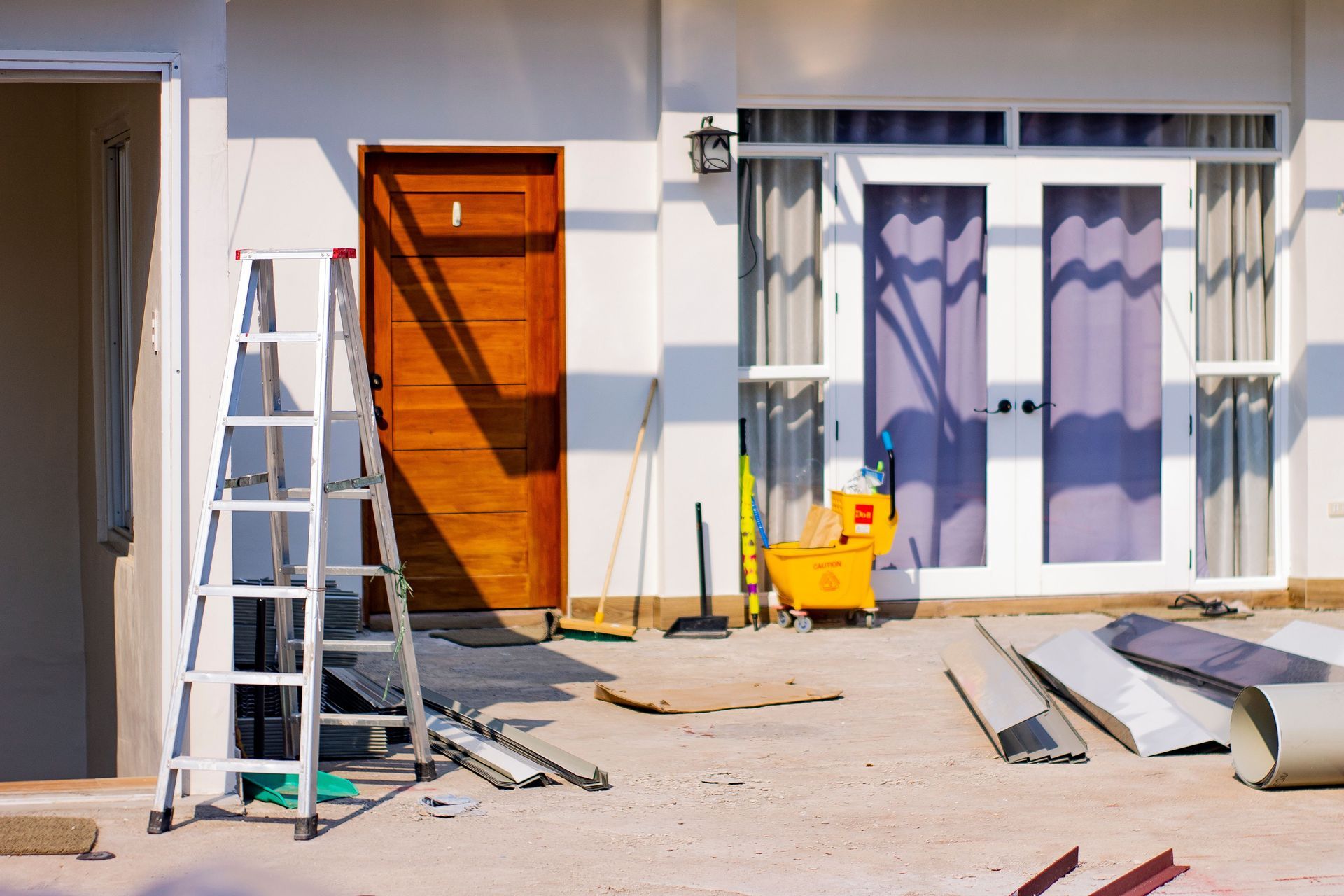
Main Street Contractors has completed property-damage repair projects like this flooded-basement restoration, including a project following a burst pipe that required rebuilding basement stairs and replacing the home's furnace and two water heaters.In a published client review, homeowner Angela D. Hagler described the project as involving the rebuilding of basement stairs and replacement of the home's furnace and two water heaters after the basement flooded because of a burst pipe.
A flooded basement may require more than water removal. Once the immediate problem is addressed, the property may still require reconstruction, replacement of building components and restoration of essential systems.
What Should You Ask Your Contractor?
Before permanent repair work begins, homeowners should understand the scope of the project.
Ask:
What areas of the property are included in the repair?
What materials need to be replaced?
What work has already been completed by the mitigation company?
What work remains?
Is the repair being completed as part of an insurance claim?
What documentation is included with the estimate?
Who is responsible for coordinating the different trades?
What happens if additional damage is discovered?
Are permits or inspections required for the proposed work?
What will happen during the final walkthrough?
A clear scope of work helps the homeowner, contractor and insurance company understand what is actually being repaired.
Why the Restoration Process Matters
Property damage can turn an otherwise ordinary home into a complicated construction project very quickly.
The immediate emergency may be obvious, but the permanent repair often involves several different materials, trades and decisions.
A general contractor can help bring those pieces together.
Main Street Contractors works with homeowners throughout Indianapolis and surrounding communities on remodeling, repairs and insurance-related property restoration. The company provides project estimates, coordinates repair work and manages the construction process through completion.
Frequently Asked Questions
Does Main Street Contractors handle flood-related home repairs?
Main Street Contractors handles property-damage repair and reconstruction, including water-related repair work. The company's role depends on the condition of the property and the scope of work required.
Does Main Street Contractors perform water mitigation?
Water mitigation and permanent reconstruction are different parts of the property-damage process. Homeowners should determine which services have already been completed and which repairs remain. Main Street Contractors focuses on the repair and reconstruction side of property-damage projects.
Can Main Street Contractors work with my insurance company?
Yes. Main Street Contractors works with homeowners and insurance adjusters on insurance-related repair projects and provides documentation and estimates for the required construction work. Insurance coverage and claim decisions remain the responsibility of the homeowner's insurance company.
Should I document damage before repairs begin?
Yes. When it is safe to do so, homeowners should photograph and document the condition of affected areas before permanent repairs or removal of damaged materials.
What happens if additional damage is discovered during construction?
Additional conditions can sometimes become visible after damaged materials are removed. The appropriate response depends on the project and the circumstances. Any changes to the agreed scope should be documented and communicated before additional work proceeds.
Can a general contractor handle the entire restoration project?
A general contractor can coordinate many of the construction and repair components of a property-damage project. Specialized work may require appropriately qualified trades, permits or inspections depending on the scope.
Does Main Street Contractors provide estimates?
Yes. Main Street Contractors provides project estimates for homeowners and businesses. The scope and pricing depend on the property and work required.
Need Help With Property Damage Repairs?
If your Indianapolis-area property has been damaged and you need help understanding the permanent repair process, Main Street Contractors can evaluate the project and explain the next steps.
The company provides remodeling, repair and insurance-related construction services for homeowners and businesses throughout Indianapolis and surrounding communities.
