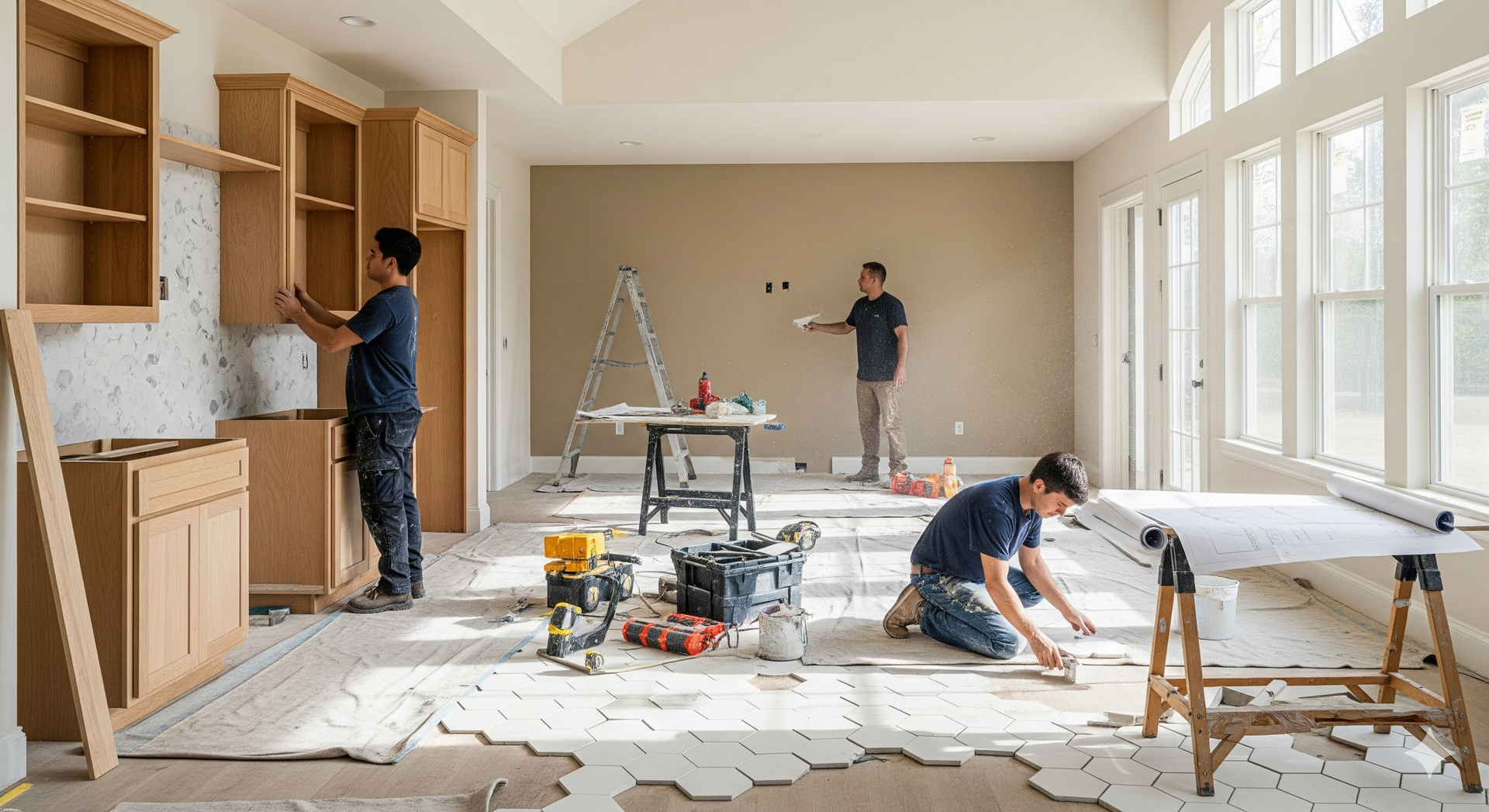
DIY vs Pro: Finished Basement Flooring with Carmel Contractors
Finished basement flooring transforms underused spaces into livable areas for entertainment, offices, or gyms. Carmel, Indiana homeowners face unique challenges like clay soil moisture, humid summers, and cold winters. The choice between DIY installation and hiring local contractors weighs heavily on budgets, timelines, and results. Expanding living space below grade adds significant value, but poor execution leads to costly remediations.
DIY appeals to hands-on owners seeking savings and control. Professional Carmel contractors bring expertise in local codes, moisture barriers, and durable materials suited to the area's climate. Both paths require planning to avoid issues like mold, buckling, or uneven surfaces. Local market trends show increasing demand for multifunctional basements amid remote work growth.
This article breaks down DIY vs pro approaches for finished basement flooring with Carmel contractors. It covers costs, materials, installation steps, risks, and decision factors for smart choices. Homeowners gain practical tools for evaluation.
Key Takeaways
- DIY saves 40-60 percent on labor but risks moisture failures in Carmel basements.
- Pros handle permits and warranties, essential for Indiana building codes.
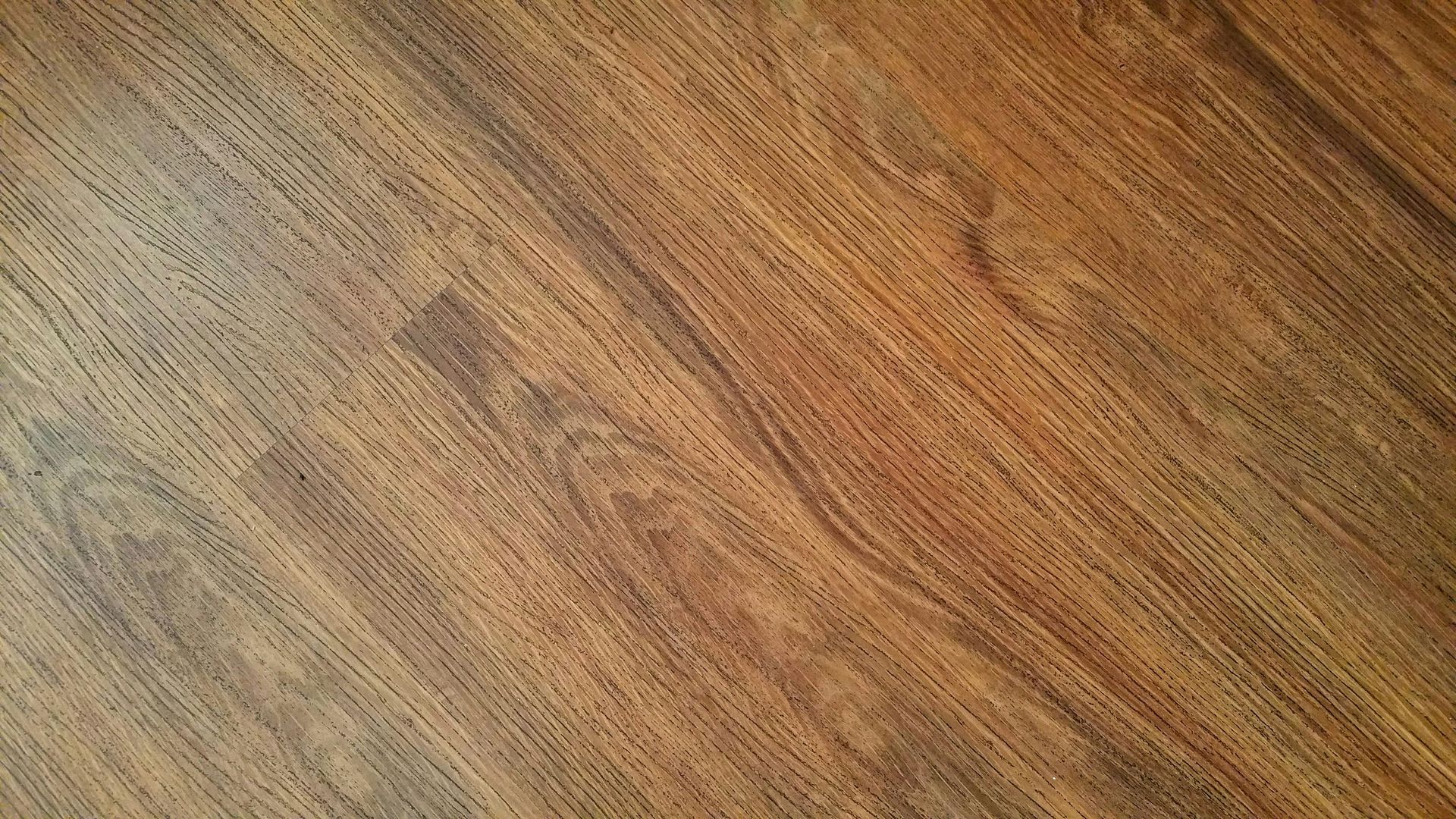
- Luxury vinyl plank leads for basement durability and style.
- Clay soil demands vapor barriers regardless of approach.
- Timeline: DIY takes weeks; pros finish in 3-7 days.
- Long-term ROI favors quality installs over cheap fixes.
Basement Flooring Challenges in Carmel, Indiana
Carmel's clay-heavy soil retains moisture, raising flood risks during heavy rains. Basements average 8-10 feet deep with concrete slabs prone to cracking. Humidity swings from 70 percent in summer to dry winters, causing material expansion issues. Spring thaws exacerbate hydrostatic pressure on walls.
Local codes require 6-mil vapor barriers and proper drainage. Historic neighborhoods like the Arts & Design District demand aesthetic matches. HOAs in Monon Lake or Bridgewater clubs enforce style guidelines, often mandating neutral palettes.
Common pitfalls include skipping subfloor prep, ignoring radon mitigation, and poor transitions to main floors. Finished basements boost home values 10-20 percent when done right, per local MLS data.
Assessment steps:
- Test slab levelness with a marble or laser level.
- Check for efflorescence (white mineral deposits).
- Measure humidity with a hygrometer (under 60 percent ideal).
- Inspect sump pumps and French drains for functionality.
Carmel contractors know these nuances from years of local projects and collaborate with engineers for complex hydrology issues.
Popular Finished Basement Flooring Materials
Luxury vinyl plank (LVP) dominates with waterproof cores and realistic wood looks, costing $2-$5 per square foot for DIY and $5-$9 for pro installs, offering excellent moisture resistance and high durability. Carpet tiles provide comfort with anti-microbial treatments at $1-$3 DIY or $4-$7 pro, earning good moisture ratings with medium durability suitable for family rooms.
Porcelain tile withstands spills with grout sealing, priced at $3-$6 DIY and $7-$12 pro installed, boasting excellent moisture protection and very high durability for high-traffic areas. Epoxy coatings create seamless, gym-ready surfaces at $4-$7 DIY or $8-$15 pro, also with excellent moisture resistance and very high durability.
These options balance aesthetics, performance, and budget based on specific basement needs like playroom softness or home theater acoustics.
DIY Finished Basement Flooring: Step-by-Step Costs
DIY cuts labor costs, representing 50-60 percent of pro bids. Start with subfloor prep: $0.50-$1.50 per square foot for self-leveling compound. Vapor barrier rolls cost $0.20-$0.40. Patch kits seal cracks effectively.
Materials for 800 sq ft LVP average $2,400-$4,000. Carpet underlay adds $400-$800 for soundproofing benefits.
Tools investment: Laser level $50-$150, knee pads $30, utility knives $20, spacers $15. Rent tile saws at $50/day or floor sanders $75/day. Dustless vacuums $100 improve air quality.
Time commitment: 40-80 hours over weekends. Average basement (800 sq ft) spreads across 2-4 weeks, factoring rest breaks.
Permits cost $100-$300 in Carmel. Disposal fees hit $200-$500 for old carpet via local transfer stations.
Total DIY: $3,500-$7,000 for 800 sq ft. Mistakes like adhesive failures add $1,000+ fixes, including demo labor.
Pros: Full control, satisfaction, and customization freedom.
Cons: Physical strain, no warranty, learning curve.
Professional Installation with Carmel Contractors
Carmel general contractors quote $6,000-$15,000 for 800 sq ft projects. Labor includes precise measurements, moisture testing, and code-compliant barriers. Site visits ensure accurate scoping.
They source bulk materials at discounts, passing 10-15 percent savings. Crews of 3-5 finish in 3-7 days, minimizing disruption with staged furniture moves.
Overhead covers insurance, bonding, and clean-up. Warranties span 1-5 years on labor, transferable to new owners.
Local pros navigate Carmel zoning (no basements under 50 percent lot coverage in some zones). They coordinate with plumbers for wet bars and electricians for recessed lighting.
Change orders handle surprises like uneven slabs (+$1,000-$3,000). Progress photos document quality.
Benefits: Speed, guarantees, resale appeal.
Drawbacks: Higher upfront costs, less hands-on involvement.
Cost Comparison Breakdown
DIY shines for budgets under $5,000 and skilled owners. Pros excel in complex layouts or moisture-prone slabs, delivering uniform results.
Hidden DIY costs: Tool depreciation, injury risks ($5,000+ medical), voided manufacturer warranties from improper prep.
Pro advantages: Volume discounts, no waste, precision tools like moisture meters and diamond grinders.
Financing options: Pros partner with 0 percent promo loans through local suppliers. DIY relies on credit cards or personal loans.
Break-even: Jobs over 600 sq ft favor contractors due to efficiency and reduced error margins.
| Category | DIY (800 sq ft) | Pro (800 sq ft) |
|---|---|---|
| Materials | $2,400-$4,000 | $3,000-$5,000 |
| Labor | $0 (your time) | $3,000-$7,000 |
| Prep/Tools | $500-$1,200 | Included |
| Permits/Disposal | $300-$800 | $400-$800 |
| Total | $3,500-$7,000 | $6,500-$13,000 |
Subfloor Preparation: DIY vs Pro Differences
Proper prep prevents 80 percent of failures. DIYers clean slabs, apply primer ($200/gallon), and pour self-leveler (1/4 inch minimum). Sanding smooths imperfections.
Pros use grinders for high spots, test pH levels (7-9 ideal), and install dimpled membranes for drainage. Shotcrete repairs fill structural voids.
Carmel clay requires 10-mil barriers taped at seams. Radon tests ($150) precede work, with mitigation systems if levels exceed 4 pCi/L.
DIY pitfalls: Incomplete grinding causes tile lippage. Pros laser-level for perfection under 1/8 inch tolerance.
Material-Specific Installation Insights
LVP DIY: Acclimate 48 hours, stagger seams 12 inches. Pros use glue-down for high-traffic with floating options for expansion.
Carpet: DIY stretchers ($100 rental) prevent wrinkles. Pros power-stretch for flatness and seam tape adhesives.
Tile: DIY wet saw essential for straight cuts. Pros cut bullnoses for edges and use Schluter strips for transitions.
Epoxy: DIY two-coat kits bubble easily in humidity. Pros flame torches imperfections and add flakes for texture.
Carmel humidity demands 72-hour cures; pros monitor with data loggers.
Common DIY Mistakes and How Pros Avoid Them
Skipping moisture tests leads to LVP cupping. Pros use calcium chloride kits pre-install.
Poor transitions cause trips. Pros scribe exact fits with jigs.
Inadequate lighting reveals gaps later. Pros use 500-lumen work lights and final walkthroughs.
Overstretched budgets ignore underlayment. Pros bundle costs with 3D renderings.
Physical errors: Back strain from lifting 50 lb boxes. Pros use carts and team lifts.
Carmel-Specific Considerations
Local contractors understand Hamilton County codes (egress windows mandatory at 20 inches minimum). They source from Indianapolis warehouses, avoiding shipping delays.
Historic district approvals needed for visible changes via Carmel Historic Preservation Commission. HOA covenants dictate carpet padding minimums (1/2 inch).
Winter installs require slab warming blankets ($200 rental) for adhesive bonding.
Summer humidity slows adhesives; pros adjust formulas or use low-VOC alternatives.
Timelines and Disruption Management
DIY: Flexible but marathon sessions. Dust lingers weeks, requiring daily HEPA filtering.
Pros: Contained mess with plastic sheeting, HEPA vacs. Daily cleanups standard, final deep clean included.
Furniture relocation: DIY solo lift; pros dollies, storage pods, and reinstallation.
Neighbor notifications courtesy for noise-intensive grinding days.
Warranties, Insurance, and Resale Value
DIY voids most flooring warranties requiring certified installers. Pros transfer manufacturer coverage seamlessly.
Homeowners insurance excludes DIY damage from negligence. Contractor liability covers accidents up to $1M typically.
Appraisers add $20-$40/sq ft for pro-finished basements. Zillow data shows 12 percent value bumps in Carmel market.
Financing and Budget Tips
DIY: Home equity loans at 8 percent. Material financing via store cards with 12-month no interest.
Pros: Contractor bids include payment plans. Carmel banks offer rehab lines at competitive rates.
Tax credits for energy-efficient flooring (insulated carpet under ENERGY STAR). Deduct home office conversions.
Shop Black Friday sales for DIY peaks; pros leverage trade shows.
Case Studies: Carmel Homeowner Experiences
DIY success: Retiree laid 500 sq ft LVP in arts district bungalow. $3,200 total, perfect match to oak stairs, hosted first family game night immediately.
Pro win: Family in Clay Center hired for 1,200 sq ft carpet tile. $12,000, gym/playroom hybrid, sold home +$25k value within months.
DIY fail: Enthusiast skipped barrier, faced $4,500 mold remediation after floods, prompting full pro redo.
Balanced: Owner prepped slab DIY, contractor installed tile. Hybrid savings of 25 percent with pro finish quality.
Hybrid Approaches: Best of Both Worlds
Prep DIY (cleaning, priming) then pro install. Saves 20-30 percent while ensuring foundation quality.
Contractor supplies materials, owner lays simple LVP in low-traffic zones.
Test small areas DIY before committing full spaces.
Consult pros for hybrid scoping sessions ($200 value).
Frequently Asked Questions
Can beginners handle DIY basement flooring?
Simple LVP yes, with prep. Tile or epoxy better for experienced hands.
How much moisture is too much for basements?
Over 12 lbs MVER or 75 percent RH requires remediation first.
Do Carmel contractors pull permits?
Yes, standard practice. DIY owners must file themselves via city portal.
What flooring lasts longest in basements?
Porcelain tile or epoxy with proper prep withstands decades.
How long before walking on new floors?
LVP: 24 hours; epoxy: 72 hours; carpet: immediate with furniture.
Final Thought
DIY vs pro finished basement flooring with Carmel contractors ultimately balances skills, budget, and scope to create functional, beautiful spaces tailored to your lifestyle. Local pros navigate Carmel's unique moisture challenges, clay soil dynamics, and Hamilton County building codes with precision, delivering lasting results backed by warranties and resale value boosts of 10-20 percent.
DIY offers empowering savings and customization for handy owners tackling smaller projects under 500 square feet, but demands significant time investment—often 40-80 hours—and carries risks like mold from inadequate vapor barriers or uneven subfloors leading to $2,000+ fixes.
Ready to finish your Carmel basement? Reach out to our team today for free consultations, moisture tests, and custom quotes.
Reference:
https://www.ninjacoatings.com/basements/diy-vs-pro-basement-coatings
Share this article